



Most first-time property investors in Melbourne make at least one costly mistake. It often happens long before they make an offer.
We see it every week at Buyer’s Advocate. Some buyers overpay by tens of thousands at auction. Others miss issues hidden in strata reports or pick suburbs where weak yields hold their returns back for years.
Melbourne offers a real opportunity. Strong rental demand, steady population growth, and a wide mix of suburbs give investors room to build long-term results. But the buying process can overwhelm anyone who is new to it. Auction pressure, stamp duty rules, and body corporate fees add layers of confusion.
This guide breaks down each step if you are looking to invest in a unit, with clear Melbourne examples and the mistakes we help people avoid. Small errors grow into bigger problems over time. Our aim is to show you where those errors appear and how to steer clear of them.
Step 1: Set Your Investment Goals
Clear goals shape every choice you make. Before you look at suburbs, ask yourself three simple questions.
Why property?
Why Melbourne?
Why now?
Your goal matters more than the home itself. Without clear goals, you may buy something that does not match your plan.
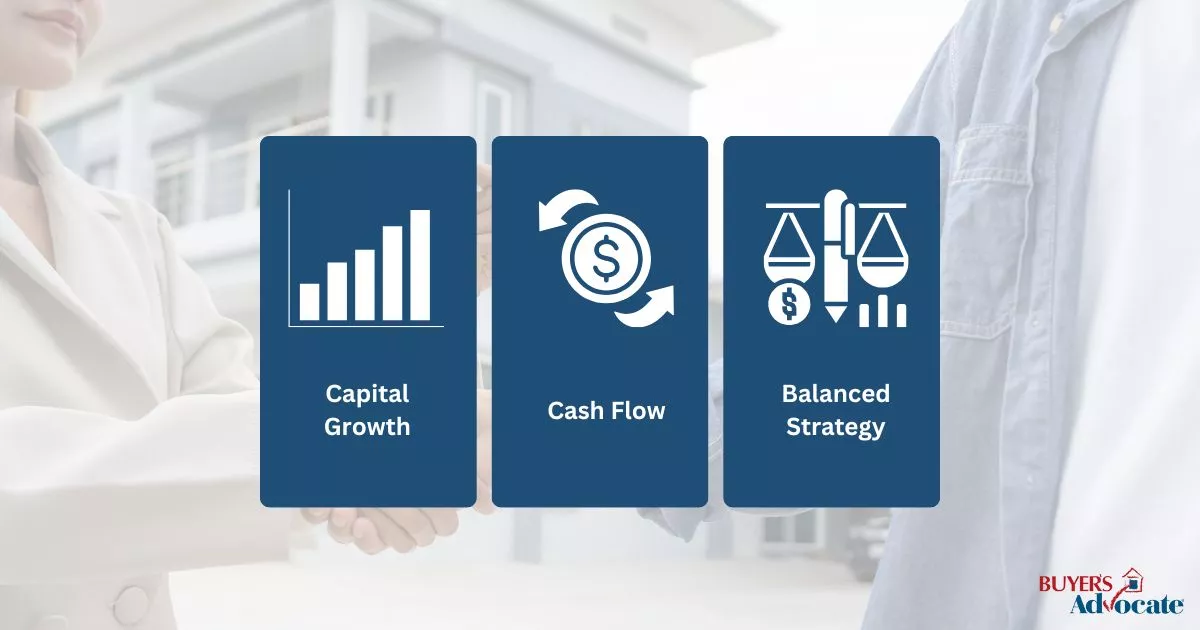
Most first-time investors choose one of these three paths.
1. Capital Growth
You want long-term value growth. Rent helps, but growth is your focus.
Growth suburbs include the Inner East (Hawthorn and Camberwell), the Inner North (Northcote and Fitzroy North), and Bayside areas such as Brighton and Elwood. These areas grow well because demand is high and land is limited.
2. Cash Flow
You want steady rent to cover most costs.
Cash-flow suburbs include parts of the Inner West, such as Footscray; the Outer West, such as Werribee; and the South East, such as Dandenong. These areas have lower entry prices and strong rent demand.
3. Balanced Strategy
You want both fair growth and reasonable rent.
Balanced suburbs include Preston, Carnegie, and Bentleigh East. These areas have strong rental demand and more manageable price points.
Once you set your goal, you can focus on what you can afford.
Step 2: Understand Your Budget and Borrowing Power
Your budget sets your limit. Your borrowing power is the amount the bank is willing to lend.
Banks look at your income, living costs, debts, interest rates, and expected rent. Most Melbourne investors use a mortgage broker because brokers compare many lenders, improve your loan structure, and help raise your borrowing power. Brokers usually do not charge you. The lender pays them.
Your deposit shapes your buying range. Most buyers put down 10-20%. A smaller deposit may trigger Lenders Mortgage Insurance. A larger deposit may lower your costs.
A simple home loan affordability calculator can give you a quick estimate, but your broker will provide you with the real figure.
Always keep a buffer associated with meeting the minimum rental standards, repairs, rate changes, and vacancies. A substantial investment should not create stress.
Step 3: Compare Suburbs With Real Numbers
Melbourne is not one market. Each suburb has its own price, rent demand, and growth trend. The table below compares some common investment areas.
| Suburb | Property Type | Median Price | Typical Rent | Yield Range | Why It Works |
| Preston | 2-bed unit | 520k to 550k | 420 per week | 3.8 to 4.2% | 15 km to CBD, train upgrades, steady renter mix |
| Footscray | 2-bed unit | 500k to 540k | 480 per week | 4.5 to 5% | Young renters, train access, close to CBD |
| Dandenong | 2-bed unit | 360k to 400k | 380 per week | 4.8 to 5.8% | Low entry cost and strong rent demand |
| Camberwell | 2-bed unit | 750k to 820k | 550 per week | 2.8 to 3.2% | School zone demand and long-term growth |
| Brighton | 2-bed unit | 1.0m to 1.2m | 650 per week | 2.5 to 3% | Premium area with owner-occupier appeal |
Some suburbs can be risky for beginners. For example, Docklands has a long history of oversupply and high strata fees. Many units also grow more slowly, making them a problematic starting point for first-time investors.
Step 4: Assemble Your Investment Team
A strong team protects you from costly mistakes. Each person plays a clear role and helps you make informed decisions.
Your team should include:

Mortgage Broker

Buyer’s Agent

Conveyancer

Accountant

Property Manager
Step 5: See a Real Purchase Example
Worked Example: 600k Unit in Preston
| Item | Amount |
| Purchase price | 600,000 |
| Deposit (20%) | 120,000 |
| Loan amount | 480,000 |
| Stamp duty | about 31,000 |
| Conveyancing | 1,200 |
| Building and pest inspection | 500 to 700 |
| Strata fees (yearly) | 2,200 |
| Typical rent | 420 per week |
| Yield | about 3.6% |
| Buyers Agents | Approx $12,000 + GST for full service |
After loan payments and costs, cash flow may be slightly negative. Many investors accept this because they expect stronger growth over time.
Here’s the math: At a 3.6% yield, you’re losing about $50-80/week after loan repayments. But Preston’s median has grown 6-8% annually over the past decade. On a $600k property, that’s $36k-48k per year in equity gain, far exceeding your weekly shortfall.
This is why capital growth investors accept negative gearing. The tax deduction softens the blow, and the equity compounds.
Step 6: Understand All the Costs Involved

The price tag is not the full cost. Always check the complete list.
- Stamp duty on a 600k investment typically ranges from 30k to 32k. You can use a Victoria stamp duty calculator to see your exact amount.
- Buyers Advocate fees for full service range from $10k-$15k
- Building and pest checks cost 400 to 800.
- Strata fees range from 2k to 8k per year.
- Property management fees range from 5% to 7% of rent.
- Insurance typically costs $ 600 to $ 1,200 per year.
- Council and water rates apply.
- Always keep a vacancy buffer.
Precise numbers help you plan and avoid stress.
Step 7: Get Your Loan Pre-Approval
Pre-approval shows how much you can borrow. It also proves to agents that you are ready to buy.
It helps you negotiate, avoid wasted time, and act quickly when a good property becomes available. You will need ID, proof of income, bank statements, and debt details. Most approvals last 90 days.
Step 8: Find the Right Investment Property
Choose a property based on performance, not personal taste.
Look for good rent appeal, natural light, parking, low upkeep, and access to schools, shops, and transport. Check rental history.
Avoid oversupplied high-rise areas such as Docklands and parts of Southbank. Avoid homes with major issues or poor layouts. Avoid units with no scarcity value. Buying in a smaller boutique block is always preferred from a capital growth perspective.
If you need support, work with an experienced investment property buyer’s agent in Melbourne who can source on-market and off-market options.
Step 9: Make an Offer or Bid at Auction
Melbourne often uses auctions. Clearance rates are around 60-70%. Many inner and middle suburbs prefer this method.
Private sale involves written offers and conditions.
Auctions are final. There is no cooling off. The deposit is due upon winning.
Set your maximum price before you start. Many first-time buyers overbid. A buyer’s advocate can bid on your behalf, reducing the pressure.
This is where many first-time buyers feel the most pressure. You stand in a room with seasoned bidders, prices move fast, and it is easy to drift past your limit without realising it. Set your maximum price before the auction starts and commit to it. Many first-timers overbid simply because they are caught in the pace of the room.
A buyer’s advocate can complete the due diligence and prepare the best strategy to bid for you at auction and represent you in post-auction negotiations if the property passes in. This removes the pressure, keeps the process calm, and helps you avoid paying more than the property is worth.
Step 10: Conduct Due Diligence
Due diligence protects you from hidden issues.
- Check building and pest reports.
- Check the title for easements.
- Check strata records for defects, disputes, or special levies.
- Check zoning rules for any overlays, including any flood or fire risks.
- Check if the unit is in an activity zone and whether this is likely to impact future value.
- Ask for a rental appraisal.
Your goal is simple: no surprises after settlement.
Step 11: Settlement and Long-Term Management
Settlement is when the property becomes yours. Your conveyancer completes the transfer, the lender releases funds, and you receive the keys.
Get the home ready for rent. Clean it. Check safety items. Fix small issues. Arrange photos.
A good property manager will list the home, screen tenants, manage rent, and handle repairs. Strong management protects your income and keeps the house in good condition.
You can also work with our Melbourne property management team for ongoing support.
Conclusion: Buy Smarter, Not Harder
Buying your first investment unit property in Melbourne doesn’t have to feel overwhelming. With clear goals, a set budget, thorough research, and the right team, you reduce risk and improve your results.
Your first property sets the base for your future portfolio. Get it right, and it can open more doors. Get it wrong, and it may slow you down.
You do not need to face the market alone.
If you want support choosing suburbs, reviewing properties, or negotiating with agents, work with an experienced investment property buyer’s agent in Melbourne who puts your interests first.
Ready to buy with confidence. Learn how we help investors make smarter decisions.