




Did you know that 67% of Australian landlords entrust their rental properties to professional property managers?
In Melbourne’s competitive property market, understanding what does a property manager do is key to maximising your investment’s success.
This article explores the essential roles and responsibilities of property managers, from tenant screening and rent collection to maintenance coordination and legal compliance.
Whether you’re a seasoned investor or a first-time landlord, you’ll gain valuable insights into how property managers work to protect your valuable asset and streamline day-to-day operations.
Read on to discover how professional property management in Melbourne can save you time, reduce risks, and boost your rental income in this competitive local market.
Key Takeaways
- Property managers handle day-to-day rental property operations, including tenant screening, rent collection, and maintenance coordination
- Average property management fees in Melbourne range from 5.5% to 8.8% of weekly rental income, with additional leasing fees. This range is notably lower than many other Australian states, positioning Melbourne and Victoria among the most cost-effective regions for property management services nationwide.
- They ensure compliance with residential tenancy laws and conduct regular property inspections
- About 67% of Australian landlords use professional property managers to reduce workload and legal risks
- Property managers provide expertise in tenant relations, financial management, and property maintenance
Table of Contents
- What is Property Management?
- Core Responsibilities of a Property Manager
- Property Management Fees and Costs
- Benefits of Hiring a Professional Property Manager
- Self-Managing vs Professional Property Management
- How to Choose the Right Property Manager in Melbourne
- Final Thoughts
- Frequently Asked Questions

What is Property Management?
Property management involves professionally overseeing real estate, whether residential or commercial.
It encompasses everything necessary to maintain an investment property in good condition, keep tenants satisfied, and help property owners achieve the best possible return on their investment.
This field has grown in tandem with the rental market, becoming increasingly complex as tenancy laws and investment requirements have evolved.
In Melbourne, property management operates under clear regulations set by laws such as the Residential Tenancies Act 1997 (VIC), which outline the responsibilities of both property managers and property owners.
Residential vs Commercial Property Management
The difference between residential property managers and commercial property managers is pretty straightforward.
When it comes to residential property management, we’re talking about homes, apartments, and units.
The focus here is on keeping tenants happy and adhering closely to tenancy laws. This side of things is all about building good relationships and sticking to strict rules around inspections, rent increases, and tenant rights.
On the other hand, commercial property management deals with offices, retail complexes, and industrial spaces.
This requires handling more complex lease negotiations, managing facilities, and often dealing with more detailed financial reporting.
Commercial property managers oversee apartment complexes, office buildings, and retail spaces, where tenants typically sign longer leases with different legal protections compared to those in residential properties.
The Property Manager as Intermediary
In both residential and commercial property management, property managers act as the main link between you, the property owner, and your tenants.
They handle communications, contracts, and any disputes that arise, all while maintaining professional relationships that protect the interests of all parties involved.
This role is especially important in Melbourne’s diverse rental market, where having local knowledge and trusted contractor connections can significantly impact how well your property performs.
Core Responsibilities of a Property Manager
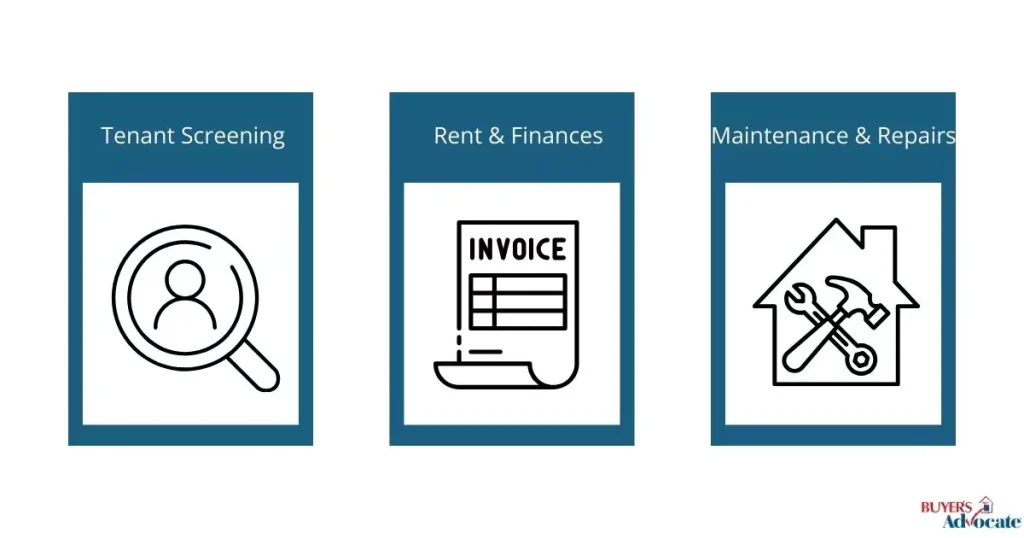
To truly understand what a property manager does, it is essential to examine the wide range of tasks we handle on a daily basis.
In Melbourne, professional property managers undertake a range of responsibilities that extend far beyond simply collecting rent.
Tenant Screening and Application Processing
One of the most important things we do as experienced property managers is conduct thorough tenant screenings. We start by advertising your property on popular platforms, such as realestate.com.au and Domain.
Then, we dig into background and reference checks, verify employment, and review rental histories to find tenants who are a great fit for your property.
We ensure compliance with anti-discrimination laws when identifying tenants who will take good care of your property and pay rent on time.
Using digital screening tools and proven methods, we streamline the process to save you time and ensure everything is above board.
Rent Collection and Financial Management
Managing rent collection is more than just collecting rent each month. As your property manager, we set the right rent based on local market conditions, send out monthly rent invoices, and follow up promptly if payments are late.
If needed, we take the necessary steps to handle arrears, including legal action when appropriate.
We also take care of preparing detailed financial statements, managing all property-related accounts, overseeing bond payments through the Residential Tenancies Bond Authority, and providing you with regular updates via clear financial reports.
This way, you can be confident your rental income is maximised while everything stays transparent and organised.
Property Maintenance Coordination and Emergency Repairs
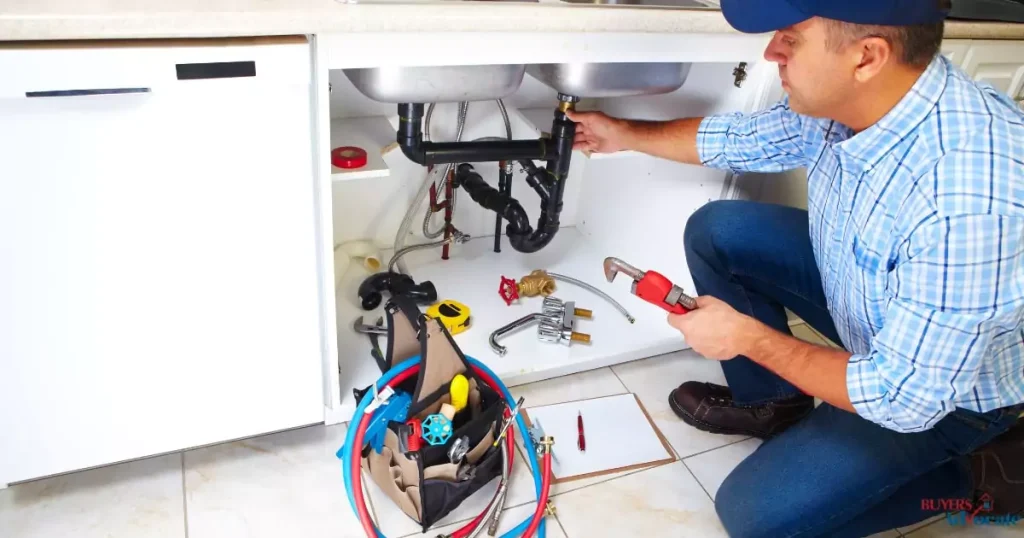
We coordinate ongoing maintenance by working with a trusted network of qualified contractors and tradespeople.
Whether it’s routine maintenance, preventive care, or urgent repairs, we ensure everything is handled smoothly and promptly.
We maintain strong relationships with electricians, plumbers, gardeners, and other service providers who can respond quickly when you need them.
Emergencies, such as burst pipes, electrical faults, or security issues, require immediate attention, often outside regular business hours. We’re ready to act quickly to protect your property and tenants.
Regular Inspections and Condition Reporting
As professional property managers, we conduct regular inspections as required by Victorian tenancy laws.
Usually, these happen after three months for a new tenancy and then every 6 months.
We provide you with detailed reports, complete with photos, so you know exactly how your property is holding up.
This condition report process helps us ensure that the lease terms are being followed, assess the property’s overall condition, and identify any maintenance issues before they become costly problems.
We always respect tenant privacy and follow strict legal guidelines regarding notice and the frequency of inspections, striking a balance between maintaining property oversight and respecting your tenants’ space.
Lease Agreement Management and Renewals
We handle the entire tenancy agreement signing process for you, from drafting the initial lease to managing renewal negotiations.
We ensure that all lease terms comply with Victorian law and handle end-of-lease tasks, including bond returns and assessments of exit conditions.
When it comes to lease renewals, we use our market knowledge to set competitive rents while helping you keep great tenants.
We know when to offer lease renewals and how to structure terms that work well for both you and your tenants.
Tenant Relations and Dispute Resolution
Handling tenant complaints and keeping good relationships with tenants takes strong communication skills and a solid understanding of tenancy laws.
We handle everything from noise issues to maintenance problems, often intervening to resolve disputes before they escalate into larger conflicts.
If a disagreement can’t be settled through direct conversation, we will represent you at VCAT (Victorian Civil and Administrative Tribunal) or work with legal experts to handle more complex situations.
Marketing and Tenant Placement
When your property becomes vacant, we take immediate action with a comprehensive marketing campaign.
This includes professional photography, listing your property on all the major platforms, and hosting open-for-inspection events.
We understand the importance of understanding the local market and tenant preferences to effectively advertise your property.
Our goal is to find the right tenants quickly so you don’t have to worry about long vacancy periods and can enjoy the best possible rental returns.
We handle everything from coordinating with prospective tenants and managing applications to ensuring a smooth transition between tenants.
Legal Compliance and Regulatory Adherence
Staying on top of residential tenancy laws is an ongoing responsibility that requires us to constantly keep up with changes in regulations.
We ensure that we stay informed about everything, from safety compliance and minimum property standards to the latest rental reforms.
By doing this, we help you avoid costly penalties that can come from not following the rules.
This expertise is especially valuable if you’re an investment property owner who doesn’t have the time to track every legislative update yourself.
Property Management Fees and Costs
Understanding property management fees is essential when you’re deciding whether to hire professional help.
Here in Melbourne and across Victoria, property managers charge fees that cover both ongoing management and specific tasks, such as leasing.
Standard Fee Structures in Melbourne
Melbourne property management fees typically range between 5.8% and 7.7% of weekly rental income, positioning Victoria at the lower end of the national average.
This compares favourably to other states, where management fees can reach 8-9%, such as Tasmania and Western Australia.
| State | Management Fee Range |
|---|---|
| Victoria (Melbourne) | 5.5% – 8.8% |
| New South Wales | 5.5% – 8.8% |
| Queensland | 7.0% – 8.5% |
| South Australia | 8.0% |
| Tasmania | 8.7% |
| Western Australia | 7.7% – 8.7% |
These fees are typically calculated as a percentage of weekly rental income and deducted monthly from rental receipts before forwarding the balance to property owners.
Leasing Fees and Additional Costs
Beyond ongoing management fees, property managers charge leasing fees when placing new tenants in the property. These fees typically range from 25% to 50% of one month’s rent and cover the comprehensive process of marketing vacant properties, screening potential tenants, and executing new tenancy agreements and completing the condition report.
Additional costs may include:
- Advertising/Marketing Fees: $350+ per vacancy for professional photography and online listings
- Routine Inspection Fees: May be included in management fees or charged separately ($66-$220 per inspection)
- Administration Charges: For statement preparation and financial reporting
- Maintenance Coordination: Some agencies charge a 5-10% markup on contractor invoices, though this practice is increasingly uncommon
- Condition Reports: May be included in the management fees or charged separately ($100 – $150 per report)
Management Fees vs Leasing Fees
Understanding the distinction between management fees and leasing fees is crucial for property owners.
Management fees are ongoing monthly charges that cover day-to-day operations, rent collection, maintenance coordination, and regular inspections. These fees continue throughout the tenancy period.
Leasing fees are one-time charges applied when a new tenant is secured. They cover advertising properties, conducting inspections with prospective tenants, processing applications, and completing the tenancy agreement lodge process.
For a property with $600 weekly rent and a 6.6% management fee, annual management costs would be approximately $2,059, plus leasing fees of $600-$1,200 each time the property requires new tenants.

Benefits of Hiring a Professional Property Manager
The decision to engage professional property management services involves weighing costs against tangible benefits that extend beyond simple convenience.
Significant Time Savings
When you hire a professional property manager, you save a significant amount of time, especially if you own multiple investment properties.
On average, property owners like you can save between 12 and 20 hours each month per property, as all administrative, legal, and logistical tasks are handled by the property management company.
If you’re a real estate investor with a busy career or several properties, this time saved can be a game-changer.
It allows you to focus on growing your portfolio and discovering new opportunities, rather than getting bogged down in daily management details.
Expertise in Tenancy Law and Compliance
We keep up-to-date with the latest tenancy laws so you don’t have to worry about legal issues.
In Victoria, breaking these rules can result in fines ranging from $4,000 to $11,000 per breach, so having a knowledgeable property manager on your side pays off.
We know exactly how to handle everything, from issuing the right notices and managing bond payments to properly ending leases and ensuring your property meets all the required standards.
As rental laws continue to evolve, our expertise becomes increasingly essential in protecting your investment and ensuring compliance.
Access to Established Service Networks
We maintain strong relationships with qualified contractors, tradespeople, and service providers who can respond quickly to your maintenance requests.
Thanks to these established connections, we often secure better pricing and faster response times than you might be able to on your own.
When emergencies strike, like gas leaks, electrical faults, or major water damage, we’re ready to coordinate rapid responses to protect your property and keep your tenants safe.
Our experience means we know exactly who to call and how to act fast when every minute counts.
Optimised Rent Collection and Reduced Vacancies
Professional property managers typically achieve collection rates exceeding 98% of rent due through systematic rent collection processes and early intervention for rental arrears.
They also reduce vacancy periods through effective marketing strategies and established tenant placement procedures.
The combination of consistent rent collection and minimised vacancy periods often offsets management fees through improved cash flow and reduced income disruption for property owners.
Improved Tenant Retention
Good property managers build strong relationships with tenants by communicating clearly, responding quickly to maintenance requests, and resolving disputes fairly. When tenants feel valued, they’re more likely to stay longer, which means you spend less time and money dealing with turnovers and vacancies.
Long-term tenants also tend to take better care of your property and report issues early, helping you avoid costly repairs and keeping your investment in great shape.
Self-Managing vs Professional Property Management
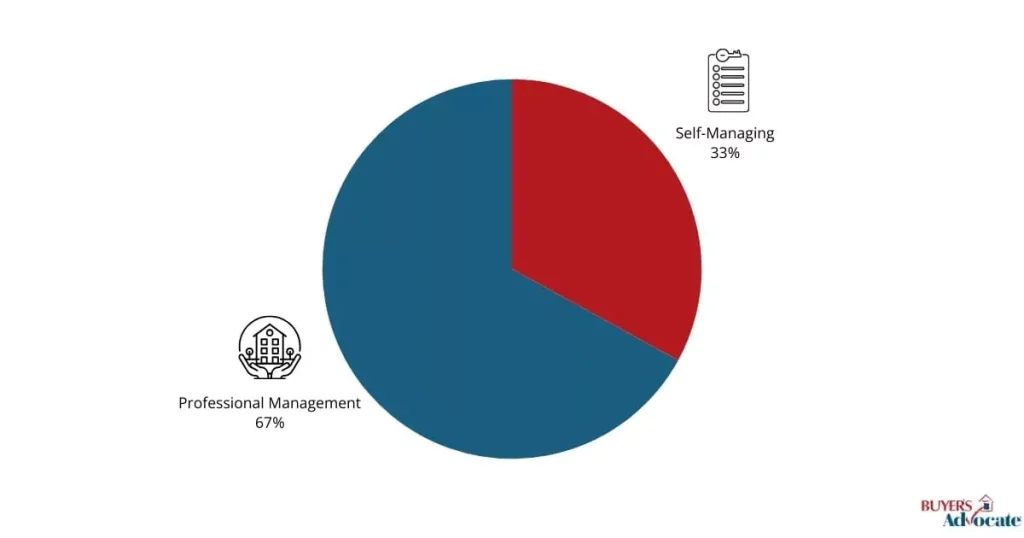
Approximately 33% of Australian landlords choose to self-manage their rental properties, while 67% engage professional property managers.
This decision typically depends on factors including property portfolio size, available time, local market knowledge, and risk tolerance.
Advantages of Self-Management
Self-managing property owners retain complete control over tenant selection, property standards, maintenance decisions, and rental pricing. They also avoid management fees, potentially increasing net rental yields by 6-8% annually depending on local fee structures.
For property owners with single properties, local market knowledge, and available time, self-management can provide both financial benefits and personal satisfaction from direct involvement in their investment property operations.
Requirements for Successful Self-Management
Self-managing property owners must understand residential tenancy legislation, maintain detailed records, coordinate maintenance and emergency repairs, handle tenant communications professionally, and remain available for urgent issues outside normal business hours.
The day-to-day responsibilities include screening tenants through thorough background checks, preparing legally compliant lease agreements, collecting rent and managing arrears, conducting regular inspections, coordinating maintenance requests, and handling tenant complaints or disputes professionally.
Property owners must also prepare financial statements, manage tax-related documentation, ensure compliance with safety requirements, and stay current with changing tenancy laws and regulations.
When Professional Management Makes Sense
Professional property management becomes particularly valuable for interstate property owners, investors with multiple properties, those with demanding careers, and property owners who prefer to focus on acquisition rather than management activities.
The complexity of Melbourne’s rental market, combined with evolving regulatory requirements, makes professional management attractive for property owners who want to minimise legal risks while maximising rental returns through expert market knowledge and established operational systems.

How to Choose the Right Property Manager in Melbourne
Selecting an appropriate property manager requires comprehensive due diligence to ensure alignment between service standards, local expertise, and property owner expectations.
Research and Due Diligence
Initial research should begin with online platforms, including realestate.com.au property listings, to identify active property managers in your target areas. For a step-by-step overview on how to buy a house in Melbourne, consult detailed guides tailored to the local market.
Cross-reference this information with Google reviews, ProductReview.com.au feedback, and real estate agency websites to assess reputation and service standards.
Verify that potential property managers hold current Victorian real estate agent licenses through Consumer Affairs Victoria, and confirm professional indemnity insurance coverage.
Check disciplinary records and ensure agency membership in professional organisations like the Real Estate Institute of Victoria (REIV).
Local Market Knowledge and Proximity
Effective Melbourne property managers should demonstrate a deep understanding of suburb-level rental trends, tenant demographics, and local market conditions.
This local knowledge enables accurate rental assessments, targeted marketing strategies, and realistic projections of vacancy periods.
Proximity to managed properties facilitates faster response times for inspections, emergencies, and maintenance coordination.
Local property managers also typically maintain established relationships with area contractors and service providers, enabling them to provide more efficient and cost-effective maintenance solutions.
Key Interview Questions
When evaluating potential property managers, ask specific questions about:
- Portfolio Size: How many properties does each manager handle? (Optimal range: 80-150 properties per manager)
- Emergency Procedures: What are their protocols for responding to after-hours emergencies?
- Communication Standards: How frequently do they provide updates and through what channels?
- Arrears Management: What is their systematic approach to rent collection and arrears recovery?
- Legal Compliance: How do they stay current with changes in tenancy law and ensure compliance?
- Maintenance Networks: Who are their preferred contractors, and how do they ensure the quality of their work?
Red Flags to Avoid
Warning signs include high staff turnover rates, a lack of transparency in fee structures, poor online reviews that mention communication problems or maintenance delays, a limited understanding of the local market, and an inability to provide current client references.
Be cautious of property managers who cannot clearly explain their processes, lack proper licensing or insurance, or seem unfamiliar with recent changes to Victorian tenancy legislation.
Communication and Service Standards
Professional property managers should offer multiple communication channels, including phone, email, SMS, and property management software portals.
They should provide clear escalation procedures for urgent issues and maintain professional response times for routine communications.
Regular reporting should include monthly financial statements, quarterly inspection reports with accompanying photographs, and prompt notification of any significant issues that require the property owner’s attention or approval.
Final Thoughts
Still wondering what does a property manager do? Here’s the bottom line:
They handle the day-to-day, protect your asset, and help you maximise rental returns — without the stress.
Want less stress and better returns from your rental property?
Book a call with a trusted property manager today and experience the difference professional property management can make.
Frequently Asked Questions
How often do property managers inspect rental properties?
In Victoria, property managers typically conduct routine inspections after the first 3 months for a new lease and then every 6 months thereafter, with a maximum of four inspections per 12-month period as specified by tenancy legislation. These regular inspections ensure lease compliance, assess property condition, and identify maintenance needs early.
What happens if a property manager doesn’t perform their duties?
Property owners can terminate management agreements with appropriate notice, lodge complaints with Consumer Affairs Victoria, or seek damages for losses caused by negligence. Most management contracts specify notice periods of 30 to 90 days for termination without cause.
Can I change property managers during a lease?
Yes, property owners can change property managers without affecting existing tenancy agreements. The lease with tenants remains valid, regardless of management changes, provided that proper transition procedures are followed to ensure continuity of services.
Do property managers handle emergency repairs after hours?
Most established real estate agencies offer 24/7 emergency response services for urgent repairs, including gas leaks, electrical failures, major water damage, and security issues. Emergency protocols typically include the immediate dispatch of a contractor and notification to the property owner.
What qualifications should I look for in a property manager?
Look for current Victorian real estate licensing (Agent’s Representative Certificate minimum), REIV membership, professional indemnity insurance, local market experience, and proven track records with similar properties. Additional qualifications, such as a Certificate IV in Real Estate Practice, indicate higher professional standards.
How long are typical property management contracts?
Most property management contracts in Victoria include termination clauses requiring 30-90 days’ notice from either party. Some contracts may specify longer notice periods or include penalty clauses for early termination.
Can property managers increase rent without owner approval?
No, property managers cannot increase rent without the explicit authorisation of the property owner. All rent increases must also comply with Victorian tenancy legislation regarding notice periods, frequency limitations, and market rent requirements.
What insurance do property managers need to carry?
Property management agencies must hold professional indemnity insurance to protect against errors or negligence. Property owners should maintain comprehensive landlord insurance covering rental default, malicious damage, legal liability, and loss of rent.